
Insulation is a crucial component of any building structure, serving to regulate the temperature and ensure energy efficiency. It plays a significant role in maintaining a comfortable indoor environment while also reducing energy costs. Insulation materials are used to prevent heat transfer between the interior and exterior of a building, helping to keep the heat in during winter and out during summer.
There are various types of insulation materials available, each with its own unique set of properties and benefits. From fiberglass and cellulose to foam boards and spray foam, choosing the right insulation material for a particular project is essential for achieving optimal results. In this article, we will explore the different types of insulation materials, their uses, and factors to consider when selecting insulation for your home or building.
Types of Insulation Materials
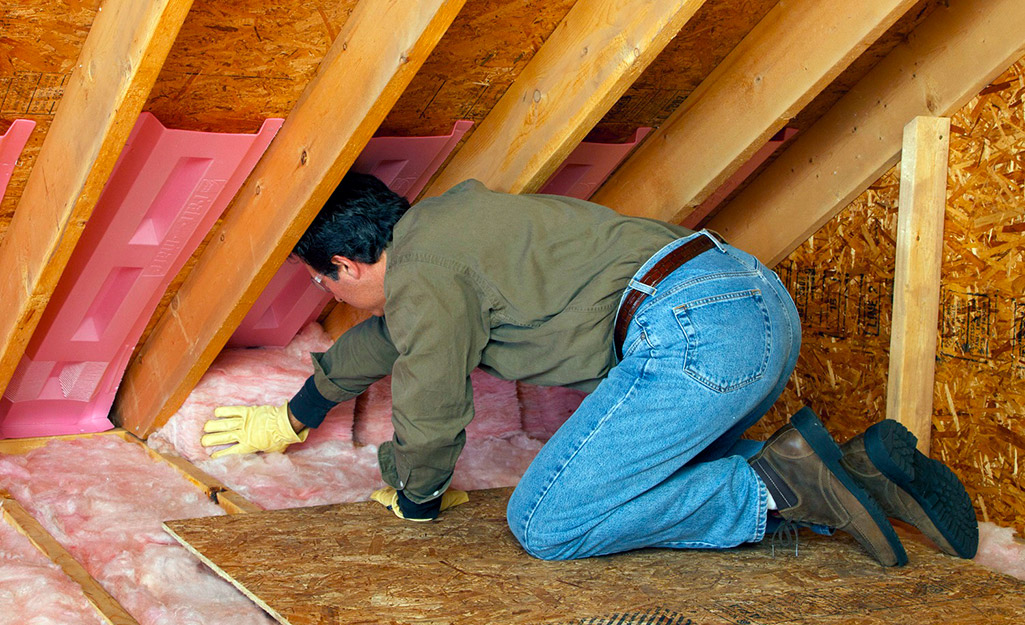
Insulation materials come in various forms, each serving a specific purpose based on the requirements of the building. Fiberglass insulation is one of the most common types, known for its affordability and ease of installation. Cellulose insulation, made from recycled paper treated with fire retardants, is another popular option due to its eco-friendly properties. Foam boards, such as expanded polystyrene (EPS) and extruded polystyrene (XPS), are ideal for insulating walls, roofs, and floors. Spray foam insulation, on the other hand, expands to fill gaps and crevices, providing a seamless barrier against air infiltration. When choosing an insulation material, factors such as R-value, moisture resistance, and sustainability should be taken into account to ensure long-lasting performance.
Considerations for Choosing Insulation
When selecting insulation for a home or building, it is essential to consider various factors to determine the most suitable option. The location and climate of the structure play a crucial role in choosing the right insulation material. For example, attic insulation is particularly important in cold climates to prevent heat loss through the roof. Additionally, understanding the building’s energy efficiency goals, budget constraints, and desired lifespan of the insulation can help narrow down the choices. Working with a professional contractor or consultant can provide valuable insights into the best insulation materials for a specific project, ensuring optimal thermal performance and energy savings in the long run.
Icon Insulation
12 Southcross Lane, Ringgold, GA 30736
423-290-0683
In conclusion, insulation materials are essential for maintaining a comfortable indoor environment and reducing energy costs in buildings. With various types of insulation materials available, such as fiberglass, cellulose, foam boards, and spray foam, it is important to consider factors like R-value, moisture resistance, and sustainability when choosing the right material for a specific project. Understanding the building’s location, climate, energy efficiency goals, budget constraints, and desired lifespan of the insulation is crucial in making an informed decision. Working with a professional contractor or consultant can help in selecting the optimal insulation material to ensure long-lasting thermal performance and energy savings. Insulating your home or building properly can make a significant difference in both comfort and cost savings in the long term.