
Envelopes are a common and essential item used in everyday life for mailing letters, documents, and other important materials. They come in various sizes, shapes, and materials to suit different needs and purposes. From business correspondence to personal letters, envelopes play a crucial role in ensuring the safe and secure delivery of messages.
Whether it’s a plain white envelope for everyday use or a decorative one for special occasions, envelopes serve as the protective covering for our messages. In this article, we will explore the history of envelopes, the different types available, and tips on how to choose the right one for your needs. So next time you need to send something through the mail, you’ll have a better understanding of the importance of envelopes in the process.
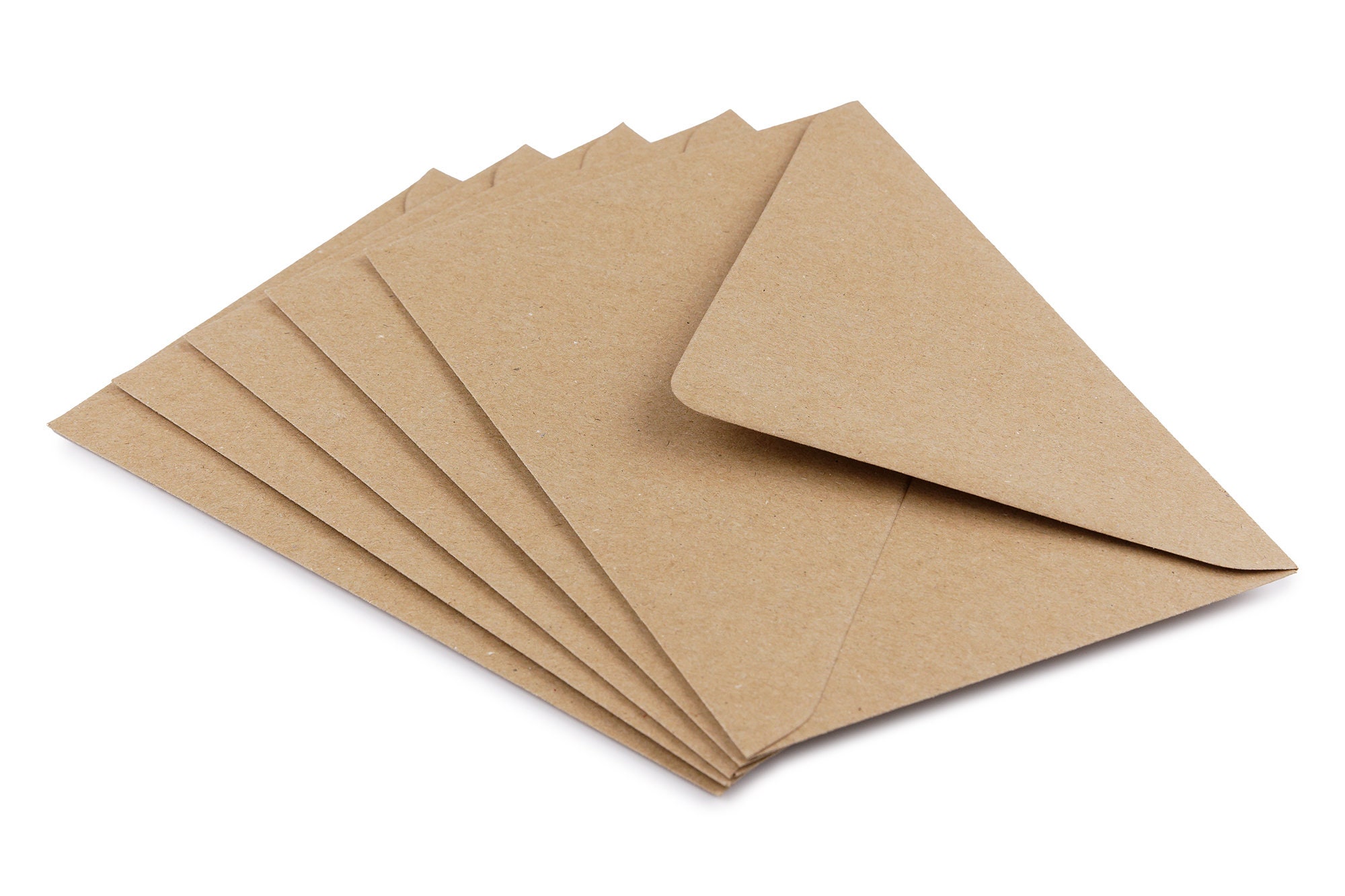
The History of Envelopes
Envelopes have been used for centuries to protect and transport important messages. The first known envelope-like containers date back to ancient civilizations in the form of clay envelopes used for storing cuneiform tablets. Over time, envelopes evolved into paper-based versions, with the modern design we are familiar with today originating in the 19th century. This innovation made it easier and more efficient to send correspondence through the mail, leading to the widespread use of envelopes in personal and business communication. If you’re looking for Professional Business Envelopes for your company, consider the various sizes and styles available to make a lasting impression on your recipients.
In conclusion, envelopes have a rich history of evolution from ancient clay containers to the paper-based designs we see today. They continue to play a vital role in protecting and delivering our messages safely and securely. Whether for personal or business use, envelopes are essential tools for communication and maintaining connections with others. Understanding the history and importance of envelopes can help us appreciate their significance in our daily lives and ensure that our messages reach their intended recipients intact. So next time you seal an envelope, remember the centuries of innovation and development that have gone into its creation.